Crude Oil Price by oil-price.net

Oil and Gas Energy News Update

Showing posts with label LNG. Show all posts

Tuesday, August 30, 2011

Western Australia Advances Wheatstone LNG

- Western Australia Advances Wheatstone LNG

Tuesday, August 30, 2011
Government of Western Australia

Final environmental approval has been given for Onslow's Wheatstone LNG development.

Environment Minister Bill Marmion said approval was granted with 25 conditions protecting marine fauna, including whales, turtles and dugongs.

Approval followed the Minister's consultation with the ministers for State Development; Lands; Planning; and Indigenous Affairs, as required under the Environmental Protection Act 1986.

Significantly, the environmental conditions require:
  • immediate suspension to dredging if coral outside defined zones is damaged
  • no blasting at night during peak nesting and hatching seasons for marine turtles and no piling activity at night during the southern whale migration when humpbacks are travelling with their calves
  • $13million in environmental offsets, including $3.5million over four years to improve management of critical habitats for humpback whales, dugongs and snubfin dolphins in Pilbara waters
  • reductions in greenhouse gas emissions through offsetting approximately 2.6 million tonnes per year of reservoir carbon dioxide emissions.

"The State Government will continue to ensure the highest environmental standards are applied to protect the local community and its environment," Mr Marmion said.

"This is a huge development for Western Australia. At its peak, the construction workforce for Wheatstone is expected to reach 3,000 people, in addition to a further 3,500 indirect jobs and billions of dollars in locally purchased goods and services."

Oil & Gas Post

Promote Your Page Too
LINK

Friday, August 19, 2011

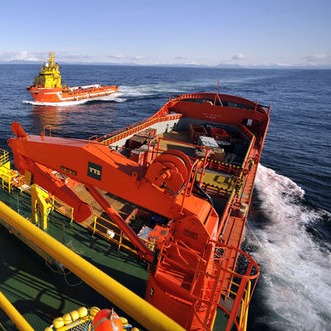
Statoil Extends Eidesvik Contract

- Statoil Extends Eidesvik Contract

Friday, August 19, 2011
Eidesvik Offshore

Statoil has declared its option for one year extended period for the Time Charter party with Eidesvik, (through its subsidiary Eidesvik Shipping AS), for the environmental friendly LNG power PSV Viking Queen. The extended period starts primo November 2011. Statoil has further two optional yearly extended periods on this contract.

Statoil ASA has also declared a one month extended period for the Time Charter Party for the PSV Viking Athene.

Photo Taken by Viking Athene from Viking Queen

Oil & Gas Post

Promote Your Page Too
LINK

Tuesday, August 16, 2011

CB&I Awarded Contract for AU Arrow LNG Proj.

- CB&I Awarded Contract for AU Arrow LNG Proj.

Tuesday, August 16, 2011
CB&I

CB&I has been awarded, through its joint venture with Chiyoda Corporation and Saipem S.p.A., the Preparation and Supply of the Project Specification contract for the Arrow LNG Plant Project in Australia.

Arrow Energy Pty Ltd., the project operator, is a 50/50 joint venture partnered by Royal Dutch Shell and PetroChina.

The project, which will be designed with a production capacity of 8 million tonnes per annum (4.0 MTPA x 2 trains), is planned to be constructed on Curtis Island, off the coast of Gladstone, on the east coast of Queensland, Australia. The project plans to expand its capacity up to 16 MTPA in the future. The LNG plant will be supplied with coal seam gas from the Surat and Bowen basins in Queensland and will process, treat and liquefy the gas for export.

"We are pleased to be selected for this significant project, which will help meet the world's demand for clean energy," said Philip K. Asherman, President and CEO. "This award builds on our proven worldwide LNG technical expertise and our 75-year history in Australia."

Oil & Gas Post

Promote Your Page Too
LINK

Tuesday, August 9, 2011

Australia Pacific LNG Finalizes Subscription Agreement with Sinopec

- Australia Pacific LNG Finalizes Subscription Agreement with Sinopec

Tuesday, August 09, 2011
Origin Energy Ltd.

Origin Energy advised that the Subscription Agreement facilitating the acquisition by Sinopec of a 15% ownership interest in Australia Pacific LNG has been completed.

In addition, all conditions precedent have now been met for the sale of 4.31 million tonnes of LNG per annum by Australia Pacific LNG to Sinopec, commencing in 2015.

Australia Pacific LNG received US $1.765 billion for the 15% ownership interest. As a consequence, ConocoPhillips' and Origin Energy's ownership interest in Australia Pacific LNG has been diluted to 42.5% each.

This investment by Sinopec provides a net reduction in funding requirements of US $750 million to each of Origin and ConocoPhillips (being 42.5% of US $1.765 billion).

Origin Managing Director and Chairman of Australia Pacific LNG, Mr. Grant King said, "We officially welcome Sinopec to Australia Pacific LNG as a shareholder and foundation customer. We look forward to working alongside ConocoPhillips and Sinopec to deliver the Australia Pacific LNG project, drawing on the extensive experience and capabilities within the joint venture in CSG production, development and operation of LNG facilities."

Oil & Gas Post

Promote Your Page Too
LINK

Friday, July 29, 2011

LNG Energy Spotlights Initial Results of Core Analysis, Spudding in Poland

- LNG Energy Spotlights Initial Results of Core Analysis, Spudding in Poland

Friday, July 29, 2011
LNG Energy Ltd.

LNG Energy announced that its third vertical well, the Starogard S-1 well on the Starogard concession in Poland, was spudded on July 16, 2011. LNG has an indirect 20% interest in the well which is currently drilling at a depth of about 1,700 meters and has installed 690 meters of steel casing and cementing it from the bottom to the surface. This depth is below the potential fresh water intervals and was installed to isolate and protect the aquifers. A second string of steel casing will be installed and cemented at an approximate depth of 2,050 meters, prior to drilling ahead to the estimated core point. At the core point, the plan is to core the balance of the well for further analysis of the formations.

LNG has also received an initial portion of the core analysis back from the 3rd party contractors for both the Wytowno S-1 and Lebork S-1 wells, on the adjacent Slawno and Slupsk concessions. The data for the Lebork S-1 well is only from the sidewalls taken in the lower portion of the Ordovician and the Alum shale, as the whole core analysis from above these intervals is not yet completed. The additional core analysis data for the target intervals in the Lebork S-1 well, and the final core analysis reports for both wells are expected to be in by the end of August at which time the log analyses for both wells will be reprocessed with the core data.
  • Porosities:
    • Lebork S-1 well: 47 meter thick Ordovician/Cambrian interval has an average porosity of 4.0% and
    • Wytowno S-1 well: 91 meter thick Lower Silurian target interval has porosity ranges of 1.1% to 4%, averaging 3.0% and the 40 meter thick shallower Lower Silurian interval has a porosity of 5.6%.
  • Gas filled porosity:
    • Lebork S-1 well: gas filled porosity ranges from 0.8% to 3.9%, averaging 1.8% of bulk volume in the Ordovician/Cambrian and
    • Wytowno S-1 well: the Silurian targets range from 0.3% to 1.6%, averaging 1.1% of bulk volume, with one shallower Silurian interval that has a value of 4.3% of bulk volume.
  • Desorption:
    • Lebork S-1 well: average desorption values of 40 Standard Cubic feet of gas per ton of rock, ("SCF/ton") over the Lower Silurian and 268 SCF/ton over the 47 meter Ordovician/Cambrian interval. The Lower Ordovician/Cambrian shale had intervals as high as 451 SCF/ton.
    • Wytowno S-1 well: average desorption values of 124 SCF/ton in the Lower Silurian target interval and 77 SCF/ton in the shallower Lower Silurian interval. For comparative purposes BNK Petroleum Inc.'s Oklahoma Woodford Shale Tishomingo field has average values of 104 SCF/ton.
  • Thermal maturity:
    • Wytowno S-1 well: thermal maturity values were estimated from the reflectance of pyrobitumen and the Thermal Alteration Index (TAI) obtained from Palynological (micro-paleo) analysis of the drill cuttings, which both equate to a Ro of 1.8 in the Lower Silurian.
    • Lebork S-1 well: TAI for the cuttings from the Lower Silurian to Ordovician/Cambrian are also equivalent to a Ro of 1.8, which places the thermal maturity for both wells in the dry gas window.
  • TOC:
    • Wytowno S-1 well: the total organic carbons ("TOCs") are variable across the Lower Silurian target interval, ranging from 0.1 to 1.3 TOC by percent weight. The TOC data from the Lebork S-1 well is not yet available, however both the log calculated values and SEM image analysis values indicate multiple times higher TOCs across the Ordovician/Cambrian shales.

Incorporating the micro-paleo and high-resolution stratigraphic analysis into the geological model indicates that the Wytowno S-1 well was drilled on a localized paleo-topographic high. What was originally interpreted as Ordovician/Cambrian shales are actually Lower Silurian hot shale intervals. The intervals in the Lebork S-1 well have also been revised on the basis of the micro-paleo and high-resolution stratigraphic analysis, resulting in slightly different thicknesses of the various intervals. In addition to the seismic program, a depth to crystalline basement study will be conducted. The study will cover a large portion of northeast Poland, fully encompassing all three concessions. The interpretation of this study will provide better understanding of general basin geometry, identify sub basins and locate significant basement related faulting. The study is slated for completion in September 2011.

Completion activity for the Lebork S-1 and Wytowno S-1 wells are scheduled to begin in the fourth quarter. The possibility of undertaking the completion of the Starogard S-1 well in conjunction with our two other wells is also under review, with well results and equipment availability to determine the timing. Best North American industry practices are being utilized for drilling and testing the wells, including utilizing bladders to hold the fresh water for fracture stimulating the well, the arrival of these are determining the start of the completion activity. The bladders ensure complete isolation from surface soil and water, reduce truck traffic to and from the site and increase safety. The flowback fluids are flowed directly into self-contained steel tanks on location.

Recently approval has been received from the Polish authorities to acquire approximately 407 km of 2D seismic on the concessions. The seismic program will further define basin structure and burial history as well as aid in individual well location selection. The term of the three Saponis concessions were also extended to provide Saponis enough time to acquire the seismic prior to drilling the second well on each concession. It is anticipated that the acquisition of this seismic will commence in the fourth quarter of this year.

"We are very encouraged by the initial results from the sidewall core tests on the Wytowno well," commented Dave Afseth, President and CEO of LNG. "The results of the core analyses as well as the analyses of the sidewall cores will enable us to design and implement an appropriate stimulation to flow test the wells later this year."

Oil & Gas Post

Promote Your Page Too

Thursday, July 21, 2011

CB&I Lands LNG Gig in Asia Pacific Region

- CB&I Lands LNG Gig in Asia Pacific Region

Thursday, July 21, 2011
CB&I

CB&I has been awarded a contract, valued in excess of US $500 million, for the engineering, fabrication and construction of two 160,000 cubic meter LNG storage tanks, as well as additional work for a confidential LNG liquefaction project in the Asia Pacific region. CB&I's contract is expected to be completed in 2015.

"We are pleased to be selected for this significant project," said Philip K. Asherman, President and CEO. "This award builds on our decades of proven worldwide experience in the LNG industry and capitalizes on CB&I's extensive history in the Asia Pacific region."

Oil & Gas Post

Promote Your Page Too
LINK

Floating LNG to Play Greater Role in Global Gas Development

- Floating LNG to Play Greater Role in Global Gas Development

Thursday, July 21, 2011
Rigzone Staff
by Karen Boman

While floating liquefaction technology has yet to be commercially proven, the success of floating liquefied natural gas (FLNG) could open previously stranded or non-commercial gas reserves worldwide.

In May, Shell made the final investment decision to proceed with the development of its Prelude floating LNG project. Shell's Prelude facility, which will be deployed in the Browse Basin offshore Northwest Australia, will be the largest floating structure ever built.

While Shell's decision to push ahead with the Prelude project is a major breakthrough for FLNG liquefaction, the unit will not come on stream until the second half of the decade, said Douglas-Westwood analyst Lucy Miller. There are a number of other projects ongoing, but it's likely that these will also fall into this timeframe; no other projects have been approved. "On the whole, onshore developments are still favored; however, FLNG may prove to be more competitive in certain cases depending on the specific project's requirements."


Austral-Asia is seen as a key region for FLNG, particularly the Timor Sea offshore Australia and Papua New Guinea; other key areas include Southeast Asia and offshore Brazil, Miller said.

Douglas Westwood last year estimated that over $23 billion would be spent on FLNG development from 2010 to 2016, most of which will be spent on liquefaction facilities. During that time, Australia is expected to dominate the FLNG market with $5.3 billion in projects, followed by Africa with $5.2 billion in projects and Asia with $4.7 billion in projects. While North America has the greatest number of FLNG prospects, North American projects are expected to account for only seven percent of global expenditures from 2010 to 2016.

Douglas-Westwood views FLNG solutions as a solution for monetizing stranded gas assets that lie far offshore and distant to production infrastructure, addressing the security issues of onshore facilities and pipelines or boundary disputes such as the Timor Sea and South China Sea, and creating a market for gas that would normally be flared.

Accessing stranded gas reserves will be critical to meet the anticipated rise in global gas demand due to population and economic growth, particularly in emerging economies such as China. Douglas-Westwood notes that 6,531 Tcf of gas reserves remain worldwide; 3,000 Tcf of these reserves are considered stranded gas assets.

FLNG may allow Europe other gas supply options that could wean its dependence on Russian gas. More than 40 percent of the European Union's gas is imported -- about half of which comes from Russia – and imports are expected to rise to 75 percent by 2030. Europe's dependence on Russian imports makes it vulnerable to price hikes and supply cut-offs, as demonstrated when Gazprom doubled prices and cut supply going to the Ukraine, Lithuanian, Belarus and Georgia from 2006-2009.

FLNG import terminals are operating in Argentina, Brazil, Kuwait, the UK and the U.S. These include a mix of technological concepts such as regasification vessels and floating storage and regasification units. Some of the technologies involved in proposed FLNG projects have yet to be proven, Douglas-Westwood noted. Technical challenges facing FLNG development include development of sloshing-resistant containment systems; cryogenic offloading, side by side by loading arms or by tandem offloading; marinisation of liquefaction processing equipment; field specific and general topside modules; and the need to develop multiple small-scale or large-scale FLNG vessels, or vessels between 1 and 3 mmtpa and greater than 3 mmtpa.

Besides Shell, other companies seeking to develop liquefaction FLNG facilities include Flex LNG, Petrobras, SBM Offshore, Bluewater, Hoegh LNG, Excelerate Energy, ConocoPhillips and Sevan Marine are developing FLNG liquefaction design concepts, but no specific fields have been announced.

The anticipated start of operations on Flex LNG's FLNG project in Papua New Guinea (PNG) in 2014 is "perfect timing" for the anticipated wave of Asian LNG demand, Flex LNG reported earlier this year. Flex LNG in April entered agreements agreement with Interoil, Pacific LNG, Liquid Niugini Gas Ltd., and Samsung Heavy Industries for a FLNG project in PNG that would liquefy natural gas from the onshore Elk and Antelope gas fields in PNG's Gulf Province.

Samsung last month began field specific front-end engineering and design work (FEED) for the hull portion of the FLNG vessel. WorleyParsons and Kanfa Aragon will carry out the FEED work for the topsides. Samsung will remain responsible for the overall design, engineering, construction and commissioning of the FLNG vessel. FEED is set to be completed in time for the project to reach a Final Investment Decision before the end of this year, with operations in PNG targeted to begin in 2014.

FLEX LNG has already completed a generic FEED in 2009 and the field specific FEED will tailor the vessel for the PNG project where the FLNG vessel is expected to be moored alongside a jetty and have a nominal production capacity of close to 2 million tons of LNG per annum and to process an estimated 2.25 trillion cubic feet of gas over a firm 25-year period. The Elk and Antelope gas fields have substantial certified gas resources, with 6.5 Tcf of P90 resources and 8.6 Tcf and 10 Tcf in P50 and P10 estimates respectively.

Flex LNG reported that LNG projects are more costly than ever to develop, as the capital expenditures/ton of installed liquefaction capacity has made a permanent shift over the last decade from an average figure below 500USD/ton to typical range of 1,500-2,500 USD/ton. Due to the uniqueness of projects, current LNG development costs exceed the average cost for the oil and gas industry. Flex LNG anticipates that it will be in the lower end of the USD550-700 ton/liquefaction capacity CAPEX range for its PNG project.

Oil & Gas Post

Promote Your Page Too
LINK

Wednesday, July 20, 2011

Australia to Dominate Floating LNG Market through 2016

- Australia to Dominate Floating LNG Market through 2016

Wednesday, July 20, 2011
Rigzone Staff
by Karen Boman

Australia's proximity to growing liquefied natural gas (LNG) demand in Asia, its sizable conventional and unconventional gas resources, stable fiscal regime and accessibility to international oil and gas companies, are driving LNG development in the Land Down Under.

UK-based energy research and analysis firm Douglas-Westwood reported that Australia will dominate the floating LNG market between 2010 and 2016 with $5.3 billion in projects. Thirty-six million tones per annum (mtpa) of LNG is under construction in Australia, and more than 120 mtpa is being proposed or in the planning stages, a number that keeps growing as companies discover additional gas reserves, according to the International Gas Union (IGU) World LNG Report 2010.


Australia currently produces 20 mtpa of LNG, but this production level could rise to more than 60 mtpa by 2016 and by 2035, a third of all planned production from proposed and sanctioned LNG projects could come from Australia, said Peter Cleary, VP of Corporate Strategy and Development for Santos Ltd.

LNG development in Australia is being driven partly by development of conventional gas reserves and by coal-bed methane gas to LNG projects, IGU noted. LNG projects under construction include Shell's Prelude floating LNG project, Woodside's Pluto project and Chevron's Gorgon LNG project. These projects represent 25 mtpa.

In Australia, the rapid rise of coal seam gas exploration, development and production has resulted in new additions to its supply. The revolution in coal seam methane has resulted in 16 mtpa of LNG supply from coal seam gas being sanctioned in the past year; another project may be sanctioned later this year, said Cleary.

Shell's recently sanctioned Prelude FLNG project will be one of the biggest game changers the industry will see. FLNG will unlock stranded gas fields, making these reserves commercially viable. "At Santos we are confident our Bonaparte LNG venture with GDF Suez will be another pioneering project in this field," Cleary said.

Santos, Australia's largest domestic gas producer, has a unique LNG portfolio consisting of its Darwin conventional gas supply project, a stake in the ExxonMobil-operated LNG project in Papua New Guinea focused on the Hides gas/condensate field, the coal seam gas to LNG project at Gladstone, and the Bonaparte floating LNG project.

Looking forward to the future LNG market, Cleary sees LNG exporters becoming importers, the increasing importance of partnership with national oil companies, increased market liquidity and trade flow complexities, and new technologies enabling the development of coal seam gas, shale gas, floating LNG and regasification and storage.

Historically, Australian coal bed methane, or coal seam gas development, has typically been part of an integrated power generation effort and/or focused on local retail gas distribution. But more recently, the engine of growth for coal seam gas has shifted to Australia, where there are hopes and plans to link the country's well known and readily accessible reserves and resources to the expected strong demand growth for gas in Asian markets, according to a Ernst & Young report, Coal seam gas: broadening the energy mix.

However, expanded coal seam gas supplies in Australia will face intense gas-on-gas competition, not only from other Australia gas/LNG projects but from other Southeast Asia sources as well as from the Middle East and Russia, Ernst & Young noted.

Australia LNG Project Update

Australia currently is the fifth largest LNG exporter worldwide, and the Australian oil and gas industry is seeking to make Australia the world's first or second largest LNG exporter by 2020, the Australian Petroleum Production and Exploration Association (APPEA) said.

At present, Qatar is the largest LNG exporter with approximately 77 mpta, nearly four times that of Australia's LNG export capacity. While a number of projects are planned for Australia, the majority of these projects will have to move forward if Australia were to replace Qatar as the top LNG exporter. Australia-based LNG projects also face challenges from the isolation of prospective sites, which makes sourcing difficult, environmental issues, aboriginal land rights and political issues. Westwood noted that the Greater Sunrise LNG project is being held back because the Timor Leste government wants an onshore plant rather than FLNG.

Shell in May made the final investment decision for its plans to produce gas from the Prelude field via an FLNG facility. Prelude is located in the Browse Basin, northeast of Broome Western Australia, in water depths of approximately 820 feet. According to APPEA, the country currently has two producing LNG developments, including the North West Shelf and Darwin projects, with three projects under construction in northern Western Australia, Pluto, Gorgon and Prelude, and two in Queensland - Queensland Curtis and Gladstone LNG.

Woodside Energy in late June signed a Native Title Agreement that would establish the Browse LNG Precinct near James Price Point north of Broome in Western Australia. The agreement will allow Woodside to proceed with development of its Browse LNG project. Meanwhile, the first LNG cargo delivery from Woodside's Pluto LNG project will take place in March 2012; the scheduling delay has been attributed to slower than expected progress on the commissioning of the onshore gas plant, seven weeks of direct weather delays and an allowance for an increased contingency. The revised estimate is expected to result in an A$900 million increase in cost to a total of A$14.9 billion (100% project). This estimate includes arrangements with customers affected by the delay.

Japan-based Inpex has received environmental approval from the Australian government for its Ichthys LNG project, paving the way for a final investment decision in this year's fourth quarter. The proposed project includes a subsea production system, semisubmersible central processing facility, a floating production, storage and offtake vessel located in the Ichthys field in the Browse Basin, approximately 124 miles offshore the northwest coast of Western Australia. Onshore gas processing facilities will be located at Blaydin Point, near Darwin. A 549-mile subsea gas pipeline will link the offshore and onshore facilities. Ichthys is expected to product 8.4 million tones of LNG and 1.6 million tones of LPG (liquefied petroleum gas) per year.

Oil & Gas Post

Promote Your Page Too
LINK

Tuesday, July 19, 2011

Growing Population, Economies Fuel Asian LNG Demand

- Growing Population, Economies Fuel Asian LNG Demand

Tuesday, July 19, 2011
Rigzone Staff
by Karen Boman

Southeast Asian demand for liquefied natural gas (LNG) will play a significant role in the global LNG trade as forecasts call for growing populations and economies in the region and demand for cleaner-burning natural gas.

According to the U.S. Energy Information Administration, Asia is expected to account for 48 percent of the world's population growth, 52 percent of global gross domestic product growth, and 64 percent of growth in primary energy consumption. Demand for LNG is expected to grow in China, India, Malaysia and Indonesia in the coming years, and Japan, which was devastated by an earthquake and tsunami in March, has boosted its LNG imports as nuclear power plants in the country remain offline.


Southeast Asian gas markets are often overlooked, but Thailand, Singapore, Indonesia, Malaysia, Vietnam and Bangladesh are expected to become LNG importers by 2017, Flex LNG reported in June. Regasification terminals are under construction in Indonesia, Malaysia, Singapore and Thailand, which previously did not have regasification capacity.

Thailand's first LNG receiving terminal is expected to begin operations this year.

Flex LNG is developing a floating LNG project in Papua New Guinea (PNG) with a proposed operations start-up date in 2014, which the company said is "perfect timing" for the anticipated wave of Asian LNG demand. Northeast Asia remains the dominant LNG market and is still experiencing solid growth, and the Fukushima disaster is greatly enhancing this growth, Flex LNG noted. "China and India are the new 'growth engines' in Asian LNG demand and strong growth is expected going forward," Flex LNG said.

According to a report by the International Gas Union, 60 percent, or 135.1 million tones/annum, of the world's LNG was consumed by the Asia-Pacific region in 2010. Sixty percent of that LNG was sourced from within the region; the remaining 40 percent was imported from other regions.

At the end of 2010, China and traditional LNG importers Japan, Taiwan and Korea had 280 million tones/annum, or 51 percent, of the world's regasification capacity. East Asia had accounted for between 75 percent and 80 percent through of the 1990s and early 2000s of the world's regasification capacity, but that share has declined since the mid-2000s due to new capacity in North America, Europe, and the emergence of LNG importing markets in South Asia, South America, and the Middle East.

Asian LNG markets represent three distinct demand groups, said Peter Cleary, VP of Corporate Strategy and Development of Santos Ltd., at the Asian Oil and Gas Conference on June 7. The first group, comprised of established LNG markets of Japan, South Korea, and Taiwan, are countries seeking supply security and diversification by fuel type. These countries have effectively locked in LNG demand, growing at steady incremental rates of between one percent and three percent of year.

The second group represents the growing mega-markets of China and India, which started to develop less than a decade ago but is expected to grow at 10 percent per year, and could be as significant as established markets.

Last month, Black & Veatch and Chemtex unveiled plans to design and build two new LNG facilities in Shaanxi Province, China. The facilities, located in Jingbian City and Yulin City, will be used to liquefy gas for vehicle fuel in the region, offsetting the use of diesel and gasoline. The Black & Veatch-Chemtex team has won five LNG projects in China since the beginning of 2011, and 13 since 2006.

The third group represents the emerging markets of Southeast Asia, including Singapore, Thailand, Malaysia, Indonesia, Vietnam and the Philippines. This group of emerging buyers includes some of Asia's "bedrock" producers who are now becoming importers, as is the case with Petronas purchasing 3.5 mtpa from the Gladstone LNG project in which Santos, Petronas, Total and Kogas are partners.

While future U.S. LNG exports will impact trade flows, Cleary said he believes Asia's demand for securing supplies from neighboring sources will preserve oil-linked prices for the foreseeable future. "Oil-linked pricing of LNG has been the commercial driver required to build real scale and tackle challenging gas developments. Oil-linked pricing has worked in Asia because buyers are comfortable that oil is an established, well understood and globally traded commodity," Cleary said.

With limited conventional gas resource, industrialized Asia and the emerging economies in that region are almost totally dependent on imported LNG from Southeast Asia, Australia and the Middle East. "This dependence places a high premium on security of supply, which is reflected in the region's dependence on long-term relatively high-priced contracts indexed to oil," according to a study by the Massachusetts Institute of Technology, The Future of Natural Gas.

Oil & Gas Post

Promote Your Page Too
LINK

Monday, July 18, 2011

Global LNG Market Grows, New Markets Emerge

- Global LNG Market Grows, New Markets Emerge

Monday, July 18, 2011
Rigzone Staff
by Karen Boman

The global liquefied natural gas (LNG) market continues to expand and transform as the volume of LNG traded globally keeps rising and new and existing players enter the market or expand LNG activity.

In 2010, the volume of LNG traded globally hit 223.8 million tones/annum (MMtpa), the International Gas Union's (IGU) World LNG Report 2010 noted, a 41 MMtpa increase from 2009 and the largest year-on-year growth experienced by the industry, thanks to newly-commissioned liquefaction trains and the ramp-up in output from trains commissioned in 2009. When compared to the 143 MMtpa of LNG traded in 2005, the market has grown by over 50 percent over the past five years.


The year 2010 started with an LNG market facing record supply growth, driven mostly by Qatar, and a weak demand environment due to the aftermath of the economic crisis and the U.S. shale gas boom, according to the IGU report. However, demand recovered impressively, as did LNG imports, with most countries importing more LNG in 2010 than in the pre-crisis year of 2008.

The structure of LNG trading is evolving from a market focused on long-term arrangements between buyers and sellers to a market with more spot LNG trading, according to the report. Spot LNG trading has grown steadily since the 1990s and has experienced more rapid growth during the last five years. Up until 2005, spot trading accounted for only 10 percent of total LNG traded; since that time, spot trading has grown to more than a fifth of the market, or 47 mmtpa last year.

In 2005, 11 countries were active spot LNG exporters and 12 countries were spot cargo importers. By end 2010, these numbers have since increased to 16 and 22 respectively. "The appetite to buy LNG on a spot basis has increased significantly as the list of spot buyers has nearly doubled, whereas the list of spot sellers has increased, albeit at a slower pace," the report said.

The LNG trade also has spread in terms of geography, In 2005, 13 countries exported LNG, including Algeria, Australia, Brunei, Egypt, Indonesia, Libya, Malaysia, Nigeria, Oman, Qatar, Trinidad & Tobago, the United Arab Emirates (UAE) and the U.S. From 2006 through 2010, Equatorial Guinea, Norway, Peru, Russia and Yemen also began exporting LNG.

During that time period, Argentina, Brazil, Canada, Chile, China, Kuwait, Mexico, and the UAE begin importing LNG, joining 15 existing importers that included Belgium, Dominican Republic, France, Greece, India, Italy, Japan, Portugal, Puerto Rico, South Korea, Spain, Taiwan, Turkey, the UK and the U.S.

The growth in the global LNG industry is being fueled by Southeast Asia's growing economies and the Japanese earthquake and tsunami, which knocked offline nuclear power facilities in the country. The role of nuclear power is now being questioned by other countries; earlier this year, Germany announced it would shut down all of its 17 nuclear power plants by 2020. A decline in nuclear power generation would likely create long-term demand for gas.

Challenges remain in getting stranded supplies to markets, including accessing resources held by nations that limit participants in the oil and gas sector. Rising LNG development costs also present a challenge, meaning that the low hanging fruit has been picked and the ladder to the next level is becoming more expensive, said Peter Cleary, VP of corporate strategy and development for Santos Ltd., at the Asian Oil and Gas Conference on June 7.

Latin America is a key growth area for LNG as gas consumption increases in cities across the region, with countries such as Brazil, Chile, Jamaica, Mexico and Uruguay planning new terminals. "The region is a key area for floating regasification vessels as they can be used to elevate season demand shortages," said Douglas-Westwood analyst Lucy Miller. LNG also is being exported from South America. In 2010, Peru commissioned its first liquefaction plant, making it the 18th country to have liquefaction capacity to export LNG and the second LNG exporter in South America, IGU noted.

Growing gas demand in the Middle East, which is expected to account for about 20 MMtpa of LNG demand by 2020, will create a new market for LNG imports. Emerging LNG markets such as Dubai and Kuwait, which recently started importing LNG, and summer demand to power air conditioning are boosting LNG imports into the Middle East. Importing LNG for consumption is allowing Kuwait to allocate more liquefied petroleum gas for export. Dubai's domestic gas consumption also creating demand for LNG in that country; so far, Dubai has imported 26 Bcf, or less than 1 Bcf/d total since November 2010.

Bahrain, Israel and Lebanon also are considering construction of LNG import facilities. Qatar remains the world's largest LNG exporter at present, though a moratorium on further development of Qatar's North Field means that no new LNG capacity is likely to come online before the end of the decade.

Indonesia is developing a series of LNG import terminals along its coast to satisfy domestic demand, said Miller. However, the country, which is a major exporter of LNG, has new LNG export terminals projects in development which target other Asia countries, such as the Donggi-Senoro and Abadi FLNG projects. Indonesia also has coalbed methane reserves which it believes can eventually be used for gas export, though this is many years ago, Miller said. Eastern Europe is another emerging LNG market, with construction underway on an import terminal in Poland, with others planned along the Baltic Coast and a few terminals planned for the Black Sea coast.

Oil & Gas Post

Promote Your Page Too
LINK

Tuesday, July 12, 2011

GL Noble Denton Bags Gig for Queensland Curtis LNG Proj.

- GL Noble Denton Bags Gig for Queensland Curtis LNG Proj.

Tuesday, July 12, 2011
GL Noble Denton

QGC has selected GL Noble Denton to provide verification services for the development of the Queensland Curtis Liquefied Natural Gas (LNG) project, which is expected to supply more than 8.5 million tonnes of LNG per annum through the development of two
LNG trains.

GL Noble Denton's experts will oversee the pipeline construction portion of the project over a two-year period. The company will supply
inspection services for the installation of the 540 kilometer underground line between natural gas fields in Australia's Surat Basin
and a natural gas liquefaction plant on Curtis Island near Gladstone on Queensland's coast.

The quality assurance and control contract was awarded to GL Noble Denton following the successful completion of an in-depth study into the production capacity of the LNG plant design that will be built on Curtis Island. GL Noble Denton used its in-house Monte Carlo simulation software, OPTAGON to provide a holistic assessment of the ability of the LNG plant to meet its intended use. The model also identifies equipment criticality and their contributions to unplanned downtime, and has provided results that have added significant strategic and operational value to the project.

Richard Bailey, GL Noble Denton's Executive Vice President for Asia Pacific said, "The Queensland Curtis LNG project is one of the
Australian oil and gas industry's most exciting developments to date. It will help define the country as a leading producer and exporter of
natural gas, and we are delighted to play a role its development.

"Demand for GL Noble Denton's services has increased considerably in Australia over the past year, as operators continue to unlock the
significant potential of the natural resources available on- and offshore the country."

Oil & Gas Post

Promote Your Page Too
LINK

Friday, June 17, 2011

Woodside Delays Pluto LNG Start

- Woodside Delays Pluto LNG Start

Friday, June 17, 2011
Woodside Petroleum Ltd.

Woodside has revised the expected cost and schedule of the Pluto LNG Project following its regular review of the progress of the project.

The first LNG cargo is now estimated for March 2012. The revised estimate is attributable to slower than expected progress on the commissioning of the onshore gas plant, seven weeks of direct weather delays and an allowance for an increased contingency.

The revised estimate is expected to result in a A$900 million increase in cost to a total of A$14.9 billion (100% project). This estimate includes arrangements with customers affected by the delay.

Woodside CEO Peter Coleman said that while delays in mega-projects such as Pluto were not uncommon, he was disappointed to have to advise of a change in the schedule.

"While we would like to start up the project as quickly as possible, we will not be doing so until we are satisfied the commissioning work has been completed in a thorough and safe manner," Mr. Coleman said.

"It is important to take a long-term view. Pluto is an attractive project underpinned by 15-year sales contracts which will provide significant value to Woodside shareholders."

Bad weather has also contributed to a delay in the North West Shelf Oil Redevelopment Project, with poor sea states hindering the completion of critical subsea work on the project. A mechanical fault was also experienced with a contractor's installation support vessel.

The redevelopment, which includes the installation of the Okha floating production, storage and offloading facility, is now scheduled for start-up in October 2011. There is not expected to be any material change to the cost of the A$1.8 billion project (100% project).

The schedule changes for the Pluto and NWS Oil Redevelopment projects will affect Woodside's 2011 production target. The company's 2011 production target is now between 62 and 64 million barrels of oil equivalent.

Woodside holds 90% equity in the Pluto LNG Project and 33% equity in the NWS Oil Redevelopment Project.

Oil & Gas Post

Promote Your Page Too

Friday, June 10, 2011

Shell to Set Record with Prelude Floating LNG Structure

- Shell to Set Record with Prelude Floating LNG Structure

Friday, June 10, 2011
Rigzone Staff
by Karen Boman

Shell's Prelude floating liquefied natural gas (FLNG) facility, which will be deployed in the Browse Basin offshore Northwest Australia, will be the largest floating structure ever built. At 1,601 feet long, the facility will be the length of 175 Olympic swimming pools, and at 600,000 tonnes, weigh six times of that of the largest aircraft carrier.

It will include 260,000 tonnes of steel, about five times more than was used to build the Sydney Harbor Bridge. The facility also will produce enough offtake to supply 90 percent of Hong Kong's energy needs.

While Shell will achieve a technological breakthrough with the facility, the forecast increase in energy demand due to the growing global population and emerging economies of countries such as China, as well as the need to reduce global greenhouse gas emissions, is driving Shell's FLNG development.

Shell to Set Record with Prelude Floating LNG Structure
Shell's Prelude Floating LNG

"We really do envision the next few years to be a golden age of gas," said Neil Gilmour, Shell' general manager for floating LNG, at a meeting in Houston this week. Gilmour was referencing the recent report by the International Energy Agency (IEA) that natural gas would play a greater role in the global energy mix. IEA estimates that global use of gas will rise by more than 50 percent from 2010 levels and account for more than a quarter of global energy demand by 2035.

The ability to quickly construct and deploy LNG facilities that could be utilized on multiple fields will become critical as global energy demand rises. To meet this need, Shell sought to create Prelude as a FLNG facility as a design template that could be standardized. Gilmour said he anticipates that Shell will be able to deploy its vessel design more quickly and efficiently in time as it carries out more projects.

Shell's board last month made the final investment decision for the project, but the project's development has been underway for some time. The initial investment in the design phase, which included around 650 workers and generated 1.6 million project man hours and nearly 3,000 engineering drawings, was critical for Shell to ensure the vessel's integrity and design, Gilmour said, noting that, "since this is going to be cloned, we wanted to get the fundamentals right."

Production of liquids will depend upon the specifics of each gas reserve, and the upstream design will be project specific. Shell's design is aimed at fields containing between 2 to 3 Tcf of gas or larger, but is standardized to maximize redeployment opportunities with fields as small as 1.5 to 2.0 Tcf considered feasible. Fields larger than 3 Tcf also can be developed using multiple FLNG facilities.

The structure, which will be used to produce the Prelude and Concerto fields, has been designed to withstand metocean conditions of up to a Category 5 cyclone and waves up to 65 feet high, meaning that the vessel will not need to be moved or disconnected. The vessel will be towed to the site, located approximately 124 miles offshore in once construction is complete, and is fitted with steam-driven generators to create electrical power on board the facility. Gas-driven generators may be used in the future, but Shell determined that steam-driven would be the most efficient at this time.

The facility, which will be located over the Prelude field, will produce 3.6 million tones per annum (mtpa) of LNG, 1.3 mtpa of condensate and .4 mtpa of LPG, which will be offloaded every six to seven days. The facility will have storage capacity of 220,000 cubic meters of LNG, 90,000 cubic meters of LPG, and 126,000 cubic meters of condensate, with a double row membrane for LNG/LPG storage. Prelude and Concerto are estimated to hold 3 Tcf of gas.

The concept will have a wide enough design envelop to accommodate gas with varying carbon dioxide (CO2) content to allow the processing of a range of different feed gas compositions without the need to redesign significant parts of the topsides. The gas in fields that could be tied back to Prelude, which lie within a 62 mile radius of the structure's site, have a CO2 content of between seven and eight percent, Gilmour said. Gilmour anticipates the hull will have a 50 year life span; after the first 25 years, the hull will be dry docked for refurbishment before being redeployed another 25 years.

Construction will take place at Geoje Island shipyards in South Korea, one of the few places in the world with a dry dock big enough to construct a facility of this size. Seven thousand workers, including 250 from Shell, will work on the dry dock construction phase, which is expected to last six months. One limiting factor in FLNG size will be the number of dry dock facilities available for construction of larger vessels such as Geoje Island, meaning that more emphasis will be placed upon making more efficient use of space for adding equipment on board, Gilmour said.

Besides Australia, Gilmour sees opportunity for floating LNG projects offshore East Africa, Indonesia, New Zealand, Brazil, Venezuela, West Africa and the Mediterranean Sea. Gilmour said that a floating LNG facility could be the solution for areas with territorial disputes or that would require a bilateral agreement on a field development plan, and a more acceptable option than pipelines.

Utilizing the Prelude FLNG design on the Sunrise FLNG facility in the Timor Sea will be even easier than for Prelude because Sunrise is bigger and has gas containing lower levels of carbon dioxide. "The fact that we got the Sunrise LNG project is a big tick in the box for Shell," Gilmour said.

Oil & Gas Post

Promote Your Page Too

Wednesday, June 8, 2011

LNG Energy Says Hello to New Management

- LNG Energy Says Hello to New Management

Wednesday, June 08, 2011
LNG Energy Ltd.

LNG Energy announced the hiring of three key people to further support the Company's development projects in Poland and Papua New Guinea.

Dr. Weldon Beauchamp has been appointed as the Company's Vice President, Exploration. Weldon has over 30 years of experience in the oil and gas industry. He worked for Sun International for 10 years, as a production geologist and an exploration geologist in the U.S., North Sea/Europe, Africa, South America, and the Middle East. Additionally, he worked for ARCO as a senior geophysicist in the Middle East, Africa, and South America, most recently as the New Venture Manager for TransAtlantic Petroleum in Morocco, Turkey and Romania.

Weldon received a B.A. degree in geology from New England College, a M.S. degree in Geology from Oklahoma State University, and a Ph.D. in Geophysics from Cornell University. With a strong background in structural geology, remote sensing and geophysics, he is a member of the American Association of Petroleum Geologists, certified by the State of Texas Board of Professional Geoscientists, Society of Exploration Geophysicists, American Geophysical Union, and Geological Society of America. He is an adjunct faculty member of the University of Texas at Dallas.

Trevor Tjostheim has been appointed as the Company's Vice President, Operations. Trevor has over 20 years of experience in the oil and gas industry. He worked for Petro-Canada for 9 years in various roles, the most recent specializing in design and program completion, workover and intervention operations in Syria. He has also held management roles for Daylight Energy and Codeco Energy Group providing project management and technical expertise for completion and workover projects in Canada, the USA and Papua New Guinea. Trevor received a Diploma in Petroleum Engineering from the Northern Alberta Institute of Technology and is a member of the Society of Petroleum Engineers and the Association of Science and Engineering Technology Professionals of Alberta.

Ms. Jenni Lean has been appointed as the Company's Country Manager, Papua New Guinea. Jenni has over 15 years of experience in the oil and gas industry and was most recently the CEO of Rift Oil, PLC from 2004 to 2009, a publically listed company where she was instrumental in the discovery of two wildcat gas discoveries in western Papua New Guinea. Jenni has also worked in senior roles in Indo-Pacific Energy and Austral Pacific Energy and received both a B.Sc. degree and an MBA from the Victoria University of Wellington, New Zealand.

"LNG is developing our portfolio of high impact projects and simultaneously adding commensurately skilled and experienced individuals to our team. We welcome Weldon, Trevor and Jenni," said President Dave Afseth. "All three individuals bring significant knowledge and skills that we need for our acreage in Poland and Papua New Guinea."

Oil & Gas Post

Promote Your Page Too

Monday, June 6, 2011

KCA Deutag Awarded FEED Contract for Browse LNG Development

- KCA Deutag Awarded FEED Contract for Browse LNG Development

Monday, June 06, 2011
KCA Deutag

KCA Deutag has been selected by Woodside Energy as one of two drilling contractors to carry out a major Front End Engineering Design (FEED) contract relating to a 3,000HP Modular Platform Drilling Rig (MPDR) for the Browse Liquefied Natural Gas (LNG) Development, offshore North West Australia.

The MPDR will be capable of drilling large bore gas wells up to 9,000m measured depth and of being transferred between Dry Tree Units (DTUs) based on a tension leg platform design. The DTUs will be positioned over the Calliance and Brecknock Fields, located approximately 270km from the Kimberley Coast, Western Australia.

Woodside is Australia's largest independent publicly traded hydrocarbon exploration and production company and one of the world's leading producers of LNG. The Browse LNG Development is a joint venture between Woodside, BHP Billiton, BP, Chevron and Shell.

FEED work has commenced and is being carried out by KCA Deutag's engineering division RDS in its London offices. It will take approximately six months to complete, include more than 30 persons, and involve interfacing with Woodside's two selected DTU contractors, Aker Solutions in Oslo and MODEC in Houston.

Neil Stevenson, KCA Deutag's Director, Business Development and Commercial, said, "This is an extremely important contract for KCA Deutag for a new client, and on one of the largest offshore LNG developments in the world. It also provides a major breakthrough into the expanding Australia onshore and offshore drilling market and builds upon our established presence in Southeast Asia. The award is very much aligned with our strategy of seeking involvement in new projects from the very early conceptual and front end stages and then being retained and accountable for the drilling performance of the rig during the operations phase."

Oil & Gas Post

Promote Your Page Too

Tuesday, May 31, 2011

Hyundai Heavy Lands $600MM Order for LNG Carriers

- Hyundai Heavy Lands $600MM Order for LNG Carriers

Tuesday, May 31, 2011
Hyundai Heavy Industries Co. Ltd.

Hyundai Heavy won a US $600 million order to build two 155,000 m3 LNG carriers, including an option for another same class vessel, from Greece-based Dynagas Ltd.

These membrane-type LNG carriers are due for delivery in the second half of 2013. They will feature the Dual Fuel Diesel Engine System which allows the ship to run on oil fuel or natural gas. Due to tightening global regulations on carbon emissions, increasing demand for LNG as an alternative energy source after Japanese nuclear crisis, and price competitiveness of LNG in comparison with oil prices, Hyundai Heavy expects to see more liquefied natural gas carrier orders in the future.

As a part of the Company's long term strategy for the expected increase in demand for LNG carriers and LNG FPSOs, Hyundai Heavy has been actively developing a special welding system that can work on the thick aluminum plates used for the LNG tanks.

Winning this order brings Hyundai Heavy's total new orders in shipbuilding and offshore & engineering divisions so far this year to 42 ships worth of $10.5 billion, or 53% of the new order target of $19.8 billion.

Oil & Gas Post

Promote Your Page Too

Friday, May 20, 2011

Shell to Develop World's 1st Floating LNG Proj.

- Shell to Develop World's 1st Floating LNG Proj.

Friday, May 20, 2011
Royal Dutch Shell plc

Shell's final investment decision announced to proceed with the development of its Prelude Floating LNG Project will deliver billions in economic benefits and put Australia on the map as a world leader in this cutting-edge technology.

Analysis indicates Prelude will add over $45 billion to Australia's GDP, create around 1,000 jobs, contribute $12 billion in tax revenues, spend $12 billion on Australian goods and services and improve Australia's balance of trade by at least $18 billion over the 25-year life of the project.

The facility will be the largest floating structure ever built and will be used to develop both the Prelude and Concerto fields in the Browse Basin about 475km north-northeast of Broome.

Welcoming the announcement in Perth, the Minister for Resources and Energy, Martin Ferguson AM MP, congratulated Shell on its decision which reflects continued confidence in Australia as an investment destination for major projects.

"Today's announcement by Shell comes after many years of hard work to get this project off the ground," Minister Ferguson said.

"It opens the doors to countless new opportunities both here in Australia and around the world to use new technology that makes it more economical to develop remote deposits.

"Floating LNG technology can unlock petroleum resources that are either too far from existing infrastructure or too small to develop via a conventional LNG project and has the added benefit of a smaller environmental footprint.

"This project will also be Shell's first upstream development in Australia as operator and I welcome their intention to invest even further here in coming years.

"It is also important not to lose sight of the longer term benefits Prelude will deliver. In addition to the jobs, increased revenue and opportunities for local companies it will create, Shell will also use Prelude to offer training, education and research opportunities in Australia.

"Australia is already the world's fourth-largest LNG exporter. This year we forecast our LNG exports to be worth more than $8 billion. Projects like Prelude put us securely on the road to becoming the world's second-largest exporter of LNG in the near future."

The Commonwealth Government has granted environmental approvals for Prelude. The project will be subject to strict environmental conditions to ensure any environmental impacts are managed and minimised.

Shell's final investment decision announced to proceed with the development of its Prelude Floating LNG Project will deliver billions in economic benefits and put Australia on the map as a world leader in this cutting-edge technology.

Analysis indicates Prelude will add over $45 billion to Australia's GDP, create around 1,000 jobs, contribute $12 billion in tax revenues, spend $12 billion on Australian goods and services and improve Australia's balance of trade by at least $18 billion over the 25-year life of the project.

The facility will be the largest floating structure ever built and will be used to develop both the Prelude and Concerto fields in the Browse Basin about 475km north-northeast of Broome.

Welcoming the announcement in Perth, the Minister for Resources and Energy, Martin Ferguson AM MP, congratulated Shell on its decision which reflects continued confidence in Australia as an investment destination for major projects.

"Today's announcement by Shell comes after many years of hard work to get this project off the ground," Minister Ferguson said.

"It opens the doors to countless new opportunities both here in Australia and around the world to use new technology that makes it more economical to develop remote deposits.

"Floating LNG technology can unlock petroleum resources that are either too far from existing infrastructure or too small to develop via a conventional LNG project and has the added benefit of a smaller environmental footprint.

"This project will also be Shell's first upstream development in Australia as operator and I welcome their intention to invest even further here in coming years.

"It is also important not to lose sight of the longer term benefits Prelude will deliver. In addition to the jobs, increased revenue and opportunities for local companies it will create, Shell will also use Prelude to offer training, education and research opportunities in Australia.

"Australia is already the world's fourth-largest LNG exporter. This year we forecast our LNG exports to be worth more than $8 billion. Projects like Prelude put us securely on the road to becoming the world's second-largest exporter of LNG in the near future."

The Commonwealth Government has granted environmental approvals for Prelude. The project will be subject to strict environmental conditions to ensure any environmental impacts are managed and minimised.

Oil & Gas Post

Promote Your Page Too

Friday, April 29, 2011

Shale Boom, Gas Demand to Make North America LNG Exports Reality

Shale Boom, Gas Demand to Make North America LNG Exports Reality

Friday, April 29, 2011
Rigzone Staff
by Karen Boman

The increase in North American natural gas due to the shale gas boom and a projected increase in global gas demand mean that North America will become a liquefied natural gas (LNG) exporter within the next few years.

The recovery in global LNG consumption in 2010, combined with anticipated gas demand growth in emerging economies of China and India presents opportunities for LNG exports, as does growing demand in Europe, where gas production is expected to decline and demand for gas-fired power generation is expected to grow. Near-term LNG demand also will be impacted by Japan, where the earthquake and tsunami damaged nuclear power facilities, resulting in strong demand for natural gas to fire electric power plants. However, it is too early to tell how this will impact Japan's long-term plans.

North American LNG exports should be sustained as long as North American shale gas production remains at existing levels, said Zach Allen, publisher of PanEurasian Enterprises NATS report, which tracks global LNG markets. Cheniere Energy's Sabine Pass in Louisiana and Freeport LNG in Texas are two existing LNG regasification facilities that will have liquefaction capacity added to allow for LNG exports.

Shale Boom, Gas Demand to Make North America LNG Exports Reality
Sabine Pass's liquefaction facilities are scheduled to begin operations in 2015, drawing from onshore Gulf Coast conventional gas plays as well as the Barnett, Haynesville, Bossier, and Eagle Ford shale gas plays. Freeport LNG's liquefaction facility also is expected to be in service in 2015, and will draw its supply from the Eagle Ford, Barnett and Haynesville shale plays as well.

Cheniere noted that adding liquefaction infrastructure to Sabine Pass will allow the company arbitrage opportunities for Henry Hub versus oil prices. Worldwide LNG prices are predominately based on oil prices, or between $10-$25/MMBtu, while Cheniere estimates the cost of delivering gas from Sabine Pass to Europe and Asia at between $7 - $12/MMbtu. The project also has the advantage of having significant infrastructure already in place, including storage, marine and pipeline interconnection facilities, which means lower capital costs.

The Cove Point LNG regasification facility near Baltimore, Maryland could potentially serve as an export facility for Marcellus shale gas, Allen noted. He sees Marcellus gas as a stranded asset, as it's difficult to move gas south from the Marcellus region. "Through displacement, you can move a certain amount of it to the north and east, but that precipitates a price war," said Allen, who also speculates that Sempra Energy's Cameron LNG facility in Louisiana might also be another possible LNG liquefaction facility.

Allen sees Gulf Coast liquefaction facilities as primarily serving the European market, while the Kitimat LNG plant in British Columbia has a competitive advantage in serving northeast Asian markets due to its proximity to Asia. The terminal would also provide a market for Canadian gas, as incremental demand in northern Washington, Oregon and northern California does not provide enough market for gas supply in the region.

Last month, Kitimat partners Apache Canada Ltd., and EOG Resources Canada said Encana Corporation would acquire a 30 percent working interest in the planned facility. The three companies have a significant presence in the Horn River Basin. According to a report by Scotiabank Group, demand for Kitimat LNG is expected to be boosted in the medium-term outlook as shifting to gas-fired power generation occurs in the U.S and parts of Europe and Japan shifts from nuclear energy to imported LNG.

Shale Boom, Gas Demand to Make North America LNG Exports Reality
One challenge facing North American LNG exporters is the lack of liquidity and transparency in the European LNG market. Since LNG traded on power exchanges in Europe can be done privately, with no price information disclosed, "we have no idea what LNG prices really are," Allen noted. The market is at best opaque, said Allen, but market forces will eventually push for more transparency.

North American exports of LNG have the potential to compete in cost terms in the global LNG market, Barclays Capital noted in an April 19 report. However, the successful development of liquefaction terminals will depend not only on economics, but ability of project sponsors to secure long term off-take agreements, access to capital and regulatory permits. The higher oil price environment anticipated by Barclays will help make North American LNG exports competitive; however, they are likely to come at the higher end of the LNG supply cost curve.

Solid credit is key for a company developing a North American liquefaction project due to the fact that U.S. and Canadian gas not stranded, as it usually is with liquefaction projects. In a traditional stranded gas project, the project developer would have to ensure that the sale price, with a known floor price, covered the break-even cost of the integrated facility and secured a certain return on the investment.

Both the U.S. and Canada have deep and liquid domestic gas markets that offer an alternative for feed gas; these alternatives make the all-in cost of LNG production a moving target. "It would take an enormous balance sheet to shoulder the risk of buying gas at Henry Hub and selling it at oil equivalents in Europe or Asia over a 20-year time-frame," Barclays noted.

Shale Boom, Gas Demand to Make North America LNG Exports Reality
Shale gas development around the world also could dampen LNG consumption, including China. However, Barclays estimated in a March 22 report that the effect of shale gas on Chinese LNG imports would be limited to about 1 Bcf/d over the next decade, given the constraints China faces in developing its shale gas. Shale gas exploration and development in other countries is still in the early stages, but worldwide success of shale gas development "could pose a significant downside risk to LNG import needs."

Wednesday, April 27, 2011

Inpex: Agreement Signed for Vladivostok LNG Joint Study


Wednesday, April 27, 2011
Inpex Corp.

Inpex announced that the Company Japan Far East Gas Co., Ltd., newly established by INPEX, ITOCHU, Japan Petroleum Exploration Co., Ltd. (hereinafter JAPEX), Marubeni and ITOCHU (hereinafter CIECO), has signed an agreement on the implementation of a joint study for the natural gas utilization project in Vladivostok area with Russia's Gazprom. The Agreement was signed on April 25, 2011 in Moscow, Russia.

The Joint Study consists of a Pre-FEED for the construction of a liquefied natural gas (LNG) plant with production capacity of 10 million tons per year, a preliminary feasibility study on the compressed natural gas (CNG) pilot project and a preliminary study on gas-chemical complex project. The Joint Study is scheduled to be completed by the end of 2011.

The Agency for Natural Resources and Energy of Japan's Ministry of Economy, Trade and Industry, ITOCHU, JAPEX and Gazprom implemented a preliminary feasibility study (Pre-FS) from May 2009 to July 2010. Following the result on the Pre-FS as well as the discussions between the related parties, an agreement was signed between the Agency and Gazprom in January 2011 on the framework and cooperation for the Joint Study. This Agreement was hereby signed on the details of the Joint Study in furtherance of the above-mentioned agreement between the Agency and Gazprom.

On March 19, 2011 at the meeting on the comprehensive development of the fuel and energy industry in Eastern Siberia and the Far East held in Sakhalin Oblast, Prime Minister Putin revealed his intentions to increase LNG supply to Japan and alluded to the construction of a new LNG plant in that area. This Joint Study and realization of its future potential projects are considered to be very important for Russia-Japan relations, as well as for the stable LNG supply to not only Japan but also to the Far East and other Asian countries, and will contribute to the diversification of Russia's gas (LNG) export sources.

Tuesday, April 26, 2011

LNG Energy IDs Gas Shows at 2nd Polish Well

LNG Energy IDs Gas Shows at 2nd Polish Well

Tuesday, April 26, 2011
LNG Energy Ltd.

LNG Energy announced that the Lebork S-1 well, on the Slupsk concession in Poland, has been successfully drilled, cased and cemented to its total depth of 3,590 meters. During drilling, numerous gas shows were recorded over 285 meters of the Lower Silurian, Ordovician and Cambrian shales. The gas shows consisted of mainly methane gas. The strongest gas shows were in the Cambrian shale, although gas shows may have been suppressed in the other shallower intervals due to the full diameter coring operations.

The well was originally drilled to 3,517 meters and had 223 meters of full diameter core recovered. At that time a comprehensive suite of openhole logs were run by Schlumberger. Upon evaluation of the logs, the well was deepened to a final depth of 3,590 meters, whereupon a 2nd suite of logs were run over the additional interval drilled; including the recovery of 113 sidewall cores. The full diameter core and sidewall cores were taken for specialized gas shale core analysis that will fully evaluate the physical parameters of the rock and will be used to calibrate the openhole logs. These analysis will provide, among other data, information on porosity, permeability, total organic carbon, rock eval pyrolysis, thermal maturity, gas composition, micropaleontology, and critical mechanical properties for completion stimulation design.

The two primary shale target intervals were thicker in the Lebork S-1 well than in the previously drilled Wytowno S-1 well. The Ordovician shale interval in the Lebork S-1 well is approximately 91 meters thick, which is slightly thicker than the 83 meters found in the Wytowno S-1 well. The Cambrian shale also thickened to 15 meters from the 9 meters found in the Wytowno S-1 well. This provides further support for the hypothesis of an increasing thickness trend that may continue into deeper portions of the basin.

The comprehensive core analysis is expected to be completed by the third quarter. The analysis of the sidewall cores from the Wytowno S-1 well are also still pending. The suite of Schlumberger openhole logs that were run in the Lebork S-1 well will be recalibrated, using the core data, to more precisely calculate the potential pay sections. The log suite in the Lebork S-1 well currently calculates the highest gas and best properties in the Cambrian shale interval followed by the overlying Ordovician shale interval. The uncalibrated log suites of both wells currently indicate higher gas calculations in the Ordovician interval in the Lebork S-1 well than in the Wytowno #1 well, but this may change after core analysis and the logs are recalibrated. During the third quarter it is anticipated that the completion will be designed and the first intervals in each well will be fracture stimulated.

The cost of the well at rig release, with casing in the ground and including the additional deepening, side wall cores and second set of logs is approximately US $5.6 million. The current estimated cost of the Lebork S-1 well, before completion, but including all future core analysis work, is US $6.5 million. Despite these added costs and due to increased efficiencies, the drilling costs are expected to be only US $0.1 million above the original drilling budget. The rig will stay on location until the end of May at which time it will begin mobilizing to the Starogard concession to begin drilling operations in mid June. The Starogard concession's wellbore will be the 5th successive gas shale well drilled by the same drilling equipment contractor and crew. LNG Energy anticipates further drilling optimization and efficiencies that will be observed in both lower costs and days on location.